How Loud Should Your Master Be in 2026?
The loudness war had a ceasefire, and the streaming platforms wrote the treaty. Every major service now normalizes playback loudness — which means mastering louder than the platform target doesn't make your song louder. It just makes it flatter.
What normalization actually does
Spotify and YouTube aim for roughly -14 LUFS integrated; Apple's Sound Check sits near -16. Upload a master crushed to -7 LUFS and the platform simply turns it down seven-plus dB. The listener hears it at the same volume as everyone else's record — except yours arrives with its transients already flattened. The track that kept its dynamics now hits harder at the exact same playback level.
So what do we target?
- Streaming master: we master for impact, usually landing between -14 and -9 LUFS depending on genre — hip-hop and EDM run hotter than indie or acoustic. The number is a result, not a goal.
- True peak: -1 dBTP ceiling so lossy encoding (MP3/AAC) doesn't clip on playback.
- Club/DJ master: a separate, hotter version — no normalization in the club.
The genre caveat
"Master to -14 LUFS" is internet advice that ruins trap records. Competitive loudness within your genre still matters for the first three seconds of impact when a listener skips between songs — which is why we check every master against current releases in the artist's lane, not against a universal number. Our loudness target tool has the per-platform numbers if you're self-mastering.
The short version
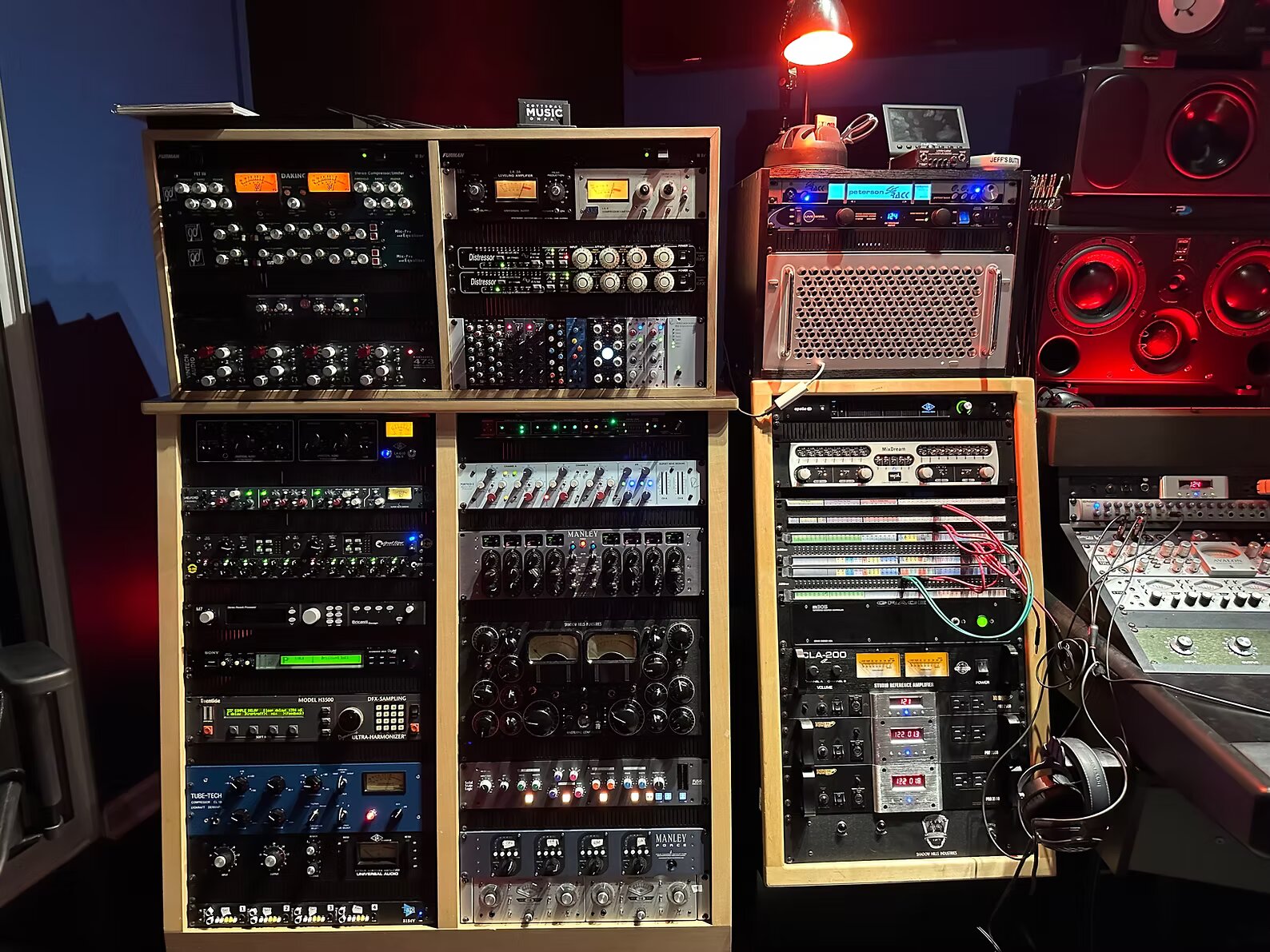
Master for the song, respect -1 dBTP, stop staring at the LUFS meter, and let dynamics do the work the limiter can't. Or let us carry it — streaming-optimized masters are most of what leaves this room.
MAKE IT AT IMPERIAL
Reading only gets a record so far. Sessions from $90/hr with an engineer included — Tempe, AZ.